
Clean Aesthetic Meets Fragrance: The Minimalist Deos Everyone’s Obsessed With (Regardless of Gender)
October 08, 2025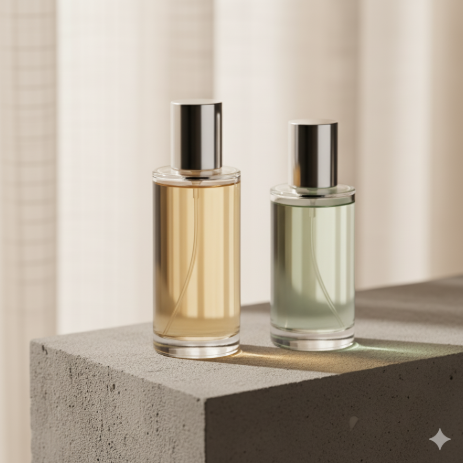
The clean girl aesthetic has dominated social media for the past few years—slicked-back buns, dewy skin, simple gold jewelry, and that effortlessly polished look. But in 2025, this minimalist movement has expanded beyond skincare and fashion into a category that’s been overdue for a revolution: deodorants. Welcome to the era of clean, minimalist deos that are as beautiful on your bathroom shelf as they are effective under your arms.
Gone are the days of choosing between clinical antiperspirants that worked but contained questionable ingredients, and natural deodorants that smelled lovely but left you sweating through important meetings. The new generation of minimalist deodorants delivers on both fronts—clean formulas that actually work, packaged in aesthetically pleasing tubes and sticks that wouldn’t look out of place in a glossy lifestyle magazine.
What makes this shift particularly noteworthy is its universal appeal. Unlike traditional deodorant marketing that heavily gendered products with “fresh sport” for men and “powder fresh” for women, these minimalist brands have embraced gender-neutral positioning from day one. And consumers—regardless of how they identify—are responding enthusiastically.
The Clean Deo Revolution: What Changed?
For decades, the deodorant industry operated on a simple formula: aluminum-based compounds to stop sweat, synthetic fragrances to mask odor, and aggressive marketing to convince you that body odor was your worst enemy. Then came the wellness movement, and suddenly people started asking uncomfortable questions. Is aluminum linked to breast cancer? Why are we trying to completely stop a natural bodily function? What exactly are “parfum” and “fragrance” hiding on ingredient lists?
The first wave of natural deodorants attempted to answer these concerns but often fell short on performance. Many people tried switching, experienced disappointing results, and reluctantly returned to conventional options. But brands didn’t give up—they went back to the lab, and the results have been game-changing.
Today’s minimalist deodorants use innovative ingredients like arrowroot powder and tapioca starch to absorb moisture, probiotic cultures to neutralize odor-causing bacteria, and plant-derived enzymes to keep you fresh. They work with your body’s natural processes rather than fighting against them. Most importantly, they actually work through intense workouts, long work days, and stressful situations.
The aesthetic component can’t be overlooked either. These products come in sleek, recyclable packaging—often in muted tones like sage green, terracotta, or classic white. The design is so thoughtful that people are genuinely excited to display them. In an era where every aspect of self-care has become Instagram-worthy, why should deodorant be hidden in a drawer?
Why Gender-Neutral Fragrances Make Sense
The shift toward gender-neutral deodorants reflects a broader cultural evolution in how we think about fragrance and personal care. Traditional deodorant marketing was absurdly gendered—men got “extreme ice blast” and women got “baby powder soft.” But scent preference has nothing to do with gender identity, and modern consumers are rejecting these arbitrary divisions.
Minimalist deo brands typically offer subtle, universally appealing scents: eucalyptus mint, bergamot sage, sandalwood cedar, or simply unscented. These fragrances don’t scream masculine or feminine—they just smell good. Period. This approach acknowledges that people of all genders appreciate sophisticated, nuanced scents that don’t announce their presence from across the room.
There’s also a practical element. Many people layer their deodorant with perfumes or colognes, and having a heavily fragranced deodorant creates competing scents. A subtle or unscented deo provides the clean canvas you need. Whether you’re wearing a bold Noir Perfume or a delicate perfume for women, you don’t want your deodorant clashing with your chosen fragrance.
This gender-neutral approach has proven commercially smart too. Brands save on production costs by not manufacturing separate products, and consumers appreciate not paying the “pink tax”—that annoying phenomenon where products marketed to women cost more for essentially the same thing.
The Ingredients That Actually Matter
If you’re considering making the switch to minimalist, clean deodorants, understanding key ingredients will help you make informed choices. Here’s what to look for:
Baking soda alternatives: While effective, baking soda can irritate sensitive skin. Look for formulas using magnesium hydroxide or arrowroot powder instead—equally effective without the irritation.
Probiotics: These beneficial bacteria create an environment where odor-causing bacteria can’t thrive. Think of it as skincare for your underarms.
Natural absorbents: Tapioca starch, arrowroot powder, and kaolin clay absorb moisture without blocking sweat glands entirely.
Plant-based oils: Coconut oil, shea butter, and jojoba oil keep skin moisturized and create a smooth application experience.
Essential oils: When used in proper concentrations, oils like tea tree, lavender, and eucalyptus provide natural antimicrobial benefits plus subtle fragrance.
What to avoid: Aluminum compounds, synthetic fragrances (listed as “parfum”), parabens, phthalates, and triclosan. These ingredients are either potentially harmful or unnecessarily harsh.
The Adjustment Period (And How to Navigate It)
Here’s something minimalist deo brands are finally being honest about: there’s often an adjustment period when you switch from conventional antiperspirants to natural deodorants. Your body needs time to detox from years of aluminum and synthetic ingredients, typically two to four weeks.
During this period, you might experience increased sweating or odor. Don’t panic—this is temporary. Your body is recalibrating its natural cooling and bacteria-balancing systems. Stick with it, stay hydrated, and consider these tips:
Exfoliate your underarms gently once a week to remove buildup. Apply deodorant to completely clean, dry skin. Reapply during the day if needed—there’s no shame in a midday refresh. Wear breathable, natural fabrics while adjusting. Consider doing a brief “armpit detox” with bentonite clay masks before switching.
The Brands Everyone’s Talking About
While I won’t turn this into an advertisement, several brands have genuinely earned their cult followings. Native offers an extensive range of gender-neutral scents with impressive staying power. Myro focuses on sustainability with refillable cases and compostable pods. Corpus uses premium natural ingredients and offers sophisticated fragrances that compete with actual perfumes. Type:A prioritizes sensitive skin with their aluminum-free, baking-soda-free formula.
Each brand brings something unique to the table, but they all share core values: transparency about ingredients, sustainable packaging, cruelty-free testing, and formulas that actually deliver results.
Why This Matters Beyond Aesthetics
The minimalist deo movement represents something bigger than pretty packaging and Instagram-worthy bathroom shelves. It reflects a fundamental shift in consumer values—we’re no longer willing to compromise our health for convenience, or accept gendered marketing that doesn’t serve us.
We’re demanding transparency about what we put on our bodies. We’re choosing products that work with our biology rather than against it. We’re rejecting waste and supporting sustainable practices. And we’re insisting that personal care products can be both effective and beautiful.
The clean aesthetic meeting fragrance isn’t just a trend—it’s a recalibration of expectations. We deserve products that work, look beautiful, use safe ingredients, and don’t cost a fortune. The minimalist deo revolution proves that we don’t have to choose between efficacy and values. We can have both, and we should accept nothing less.
So if you’ve been curious about making the switch, there’s never been a better time. Your underarms—and your bathroom aesthetic—will thank you.
Recent Stories
- CII Gujarat names Achal Bakeri as Chairman, Naresh Patel as Vice Chairman for 2026–27
- VUDA Clears ₹801 Crore Budget, ₹50 Crore Allotted for Ring Road Project
- SC Orders Status Quo in Bhadra Parisar Case; Stays Reinstatement of Street Vendors
- Hindu Minor Lured Into Love Trap, Fake Aadhaar Used to Book Hotel Room; Three Held in Ahmedabad
- Delivery of 10 New Trainsets for Ahmedabad Metro Likely to Commence from June 2026