
How City-Wise Traffic Portals Are Changing Fine Payments in India
February 25, 2026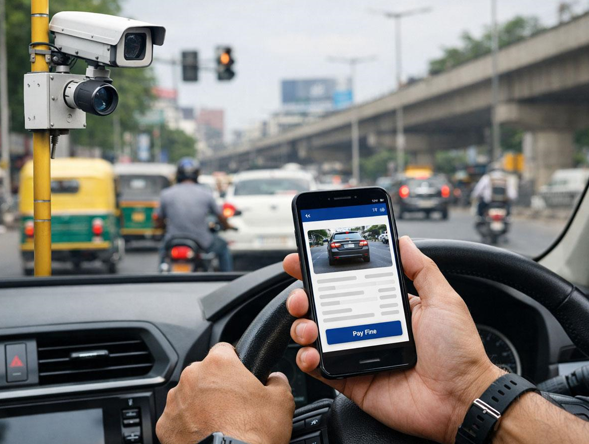
The digital revolution in India has transformed many traditional government processes, making them more transparent and user-friendly for the general public. One of the most significant shifts has been the move from physical traffic tickets to sophisticated digital platforms managed by local authorities. Now, most vehicle owners prefer to use an e challan check online service to keep track of their driving history and settle penalties from the comfort of their homes. For residents in growing urban centres, using a specific portal for an e challan in Ahmedabad or other cities has become the standard way to interact with the traffic department. These city-wise portals provide a more localised and efficient experience, allowing for faster updates and easier resolution of disputes compared to older, centralised systems.
By bringing the payment process to a mobile screen, the government has significantly improved the rate of fine collection. Drivers no longer need to visit a physical police station or a court to pay a minor penalty, which has reduced the burden on both the public and the legal system.
The Shift Toward Hyper-Local Digital Portals
While the national Parivahan system exists as a central database, many large cities have developed their own dedicated portals. These local platforms are designed to handle the specific needs and traffic patterns of a particular metropolitan area.
Faster Processing of Local Violations
City-specific portals are often faster at reflecting new violations because they are directly linked to the local command and control centres. When a camera in a city like Ahmedabad captures a violation, the data moves through a shorter administrative path before appearing online. This speed allows drivers to stay informed about their mistakes almost as they happen, encouraging more disciplined behaviour on the road.
Integration with Local Payment Wallets
Local portals often offer a wider range of payment options that are popular in that specific region. They integrate seamlessly with various UPI apps, digital wallets, and local bank gateways. This variety of payment methods makes it incredibly easy for people from all walks of life to clear their dues. The goal is to remove any friction from the payment process, ensuring that the government receives the revenue and the driver maintains a clean record.
Transparency and Evidence-Based Enforcement
One of the biggest advantages of city-wise portals is the level of transparency they offer to the vehicle owner. In the past, a driver might have felt that a manual fine was issued unfairly, but digital portals have changed that perception.
Access to Photographic Evidence
When you log into a local traffic portal to check a fine, you are often presented with clear photographic or video evidence of the violation. You can see your vehicle’s position, the license plate, and the specific traffic signal or speed limit sign that was involved. This visual proof removes most of the arguments and builds trust in the system. When people can see their own mistakes clearly, they are much more likely to pay the fine without complaining.
Simplified Dispute Resolution
If a driver still feels that a fine was issued in error, these portals provide a direct link to file a grievance. You can upload your own evidence or explain the situation through a simple online form. This digital dispute process is much less intimidating than going to a traffic court. Local officials can review the case quickly and either uphold the fine or cancel it if a genuine mistake is found.
Impact on Urban Traffic Discipline
The ease of checking and paying fines has a direct psychological impact on how people drive in Tier-1 and Tier-2 cities. The knowledge that a fine will show up on a portal within days acts as a powerful deterrent.
Real-Time Alerts and Notifications
Most city-specific platforms are now linked to mobile applications that send push notifications the moment a fine is issued. These real-time alerts ensure that a driver is aware of a violation before they repeat the same mistake. This immediate feedback loop is one of the most effective ways to improve road safety and reduce the total number of accidents in crowded urban areas.
Linking Fines to Vehicle Services
City portals are increasingly being linked to other vehicle-related services. For instance, you might find it difficult to renew your vehicle insurance or sell your car if there are pending fines on the local portal. This integration ensures that people take their traffic responsibilities seriously. It creates a system where following the rules is not just a choice but a necessity for maintaining the legal status of the vehicle.
Future of Digital Traffic Management
The success of city-wise portals is just the beginning of a more integrated smart city vision. In the future, these platforms could evolve to offer even more advanced features.
Conclusion
City-wise traffic portals have revolutionised the way fine payments are handled in India, making the process transparent, fast, and fair. By providing localised services and clear evidence, these platforms have successfully improved road discipline across the country. Whether you are using a portal for a quick check or to resolve a complex dispute, the digital system ensures that you are treated with consistency and respect. As more cities adopt these high-tech solutions, the dream of safe and organised Indian roads becomes a closer reality for every commuter.
Recent Stories
- IPL 2026: We Want to Score Big Runs Consistently, Says Gujarat Titans Captain Shubman Gill
- Gujarat HC Seeks NHAI Affidavit on NH-8 Repairs, Toll Collection and Maintenance Spending
- Surat - Mangaluru Express Regularised; Direct Link to Goa and Karnataka
- Gujarat Likely to Get 11 Greenfield Airports as Centre Approves UDAN 2.0
- Petrol Pump Licence Suspended, Case Filed Against Rajkot Dealers Association Chief