
Gujarat govt sets up Vahivati Sudharna Panch
February 25, 2025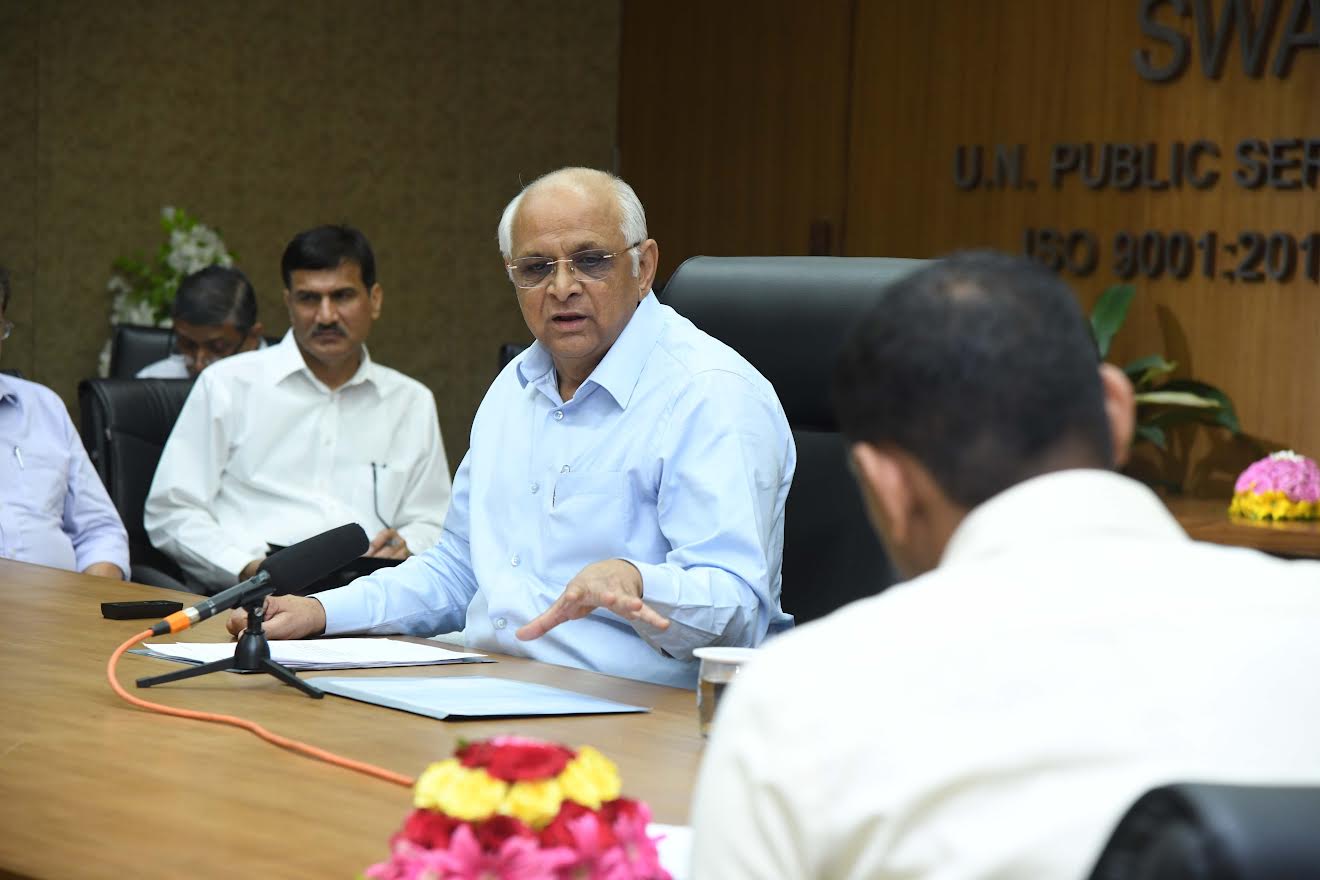
Gandhinagar: Fulfilling a key budget announcement for 2025-26, Gujarat Chief Minister Bhupendra Patel has approved the formation of the Gujarat Vahivati Sudharna Panch (Administrative Reforms Commission) within days of the budget presentation. The commission aims to bring necessary changes to the state’s administrative structure and working methods, the government announced in a press release.
The newly constituted commission will be chaired by Chief Principal Advisor to the Chief Minister, Hasmukh Adhia. Other members include the Chief Secretary, Additional Chief Secretaries/Principal Secretaries/Secretaries from key departments such as Personnel (GAD), Science and Technology, Finance, and Administrative Reforms. The commission is expected to streamline governance and enhance efficiency in the state administration.
The head office of the Gujarat Administrative Reforms Commission will be the Centre for Good Governance, SPIPA. Additionally, the commission will complete its study within two years and submit its recommendations to the state government from time to time.
Chief Minister Shri Bhupendra Patel has also finalized its terms of reference to formally constitute the Gujarat Administrative Reforms Commission.
Accordingly, the commission will work on six key areas and provide necessary guidance to the State Government, including the following:
1. Administrative and Governance Structure:
- Review the organizational structure of the State Government and its departments, identifying overlapping functions and inefficiencies.
- Recommend restructuring of government departments and agencies for better functioning.
- Suggest measures to strengthen inter-departmental coordination and decision-making processes.
- Examine the role of district and taluka administrations and propose reforms to make them more responsive and efficient.
2. Rationalization of Manpower and Human Resources:
- Conduct a comprehensive manpower review to assess cadre levels, skill requirements, and workload distribution across all government departments and institutions.
- Develop a mechanism for periodic training and capacity building of government employees to enhance efficiency and skills.
- Formulate guidelines for performance appraisal, promotions, and incentives to ensure accountability and efficiency in public services.
3. Financial Management and Resource Optimization:
- Review the budget process and suggest improvements to make it more result-oriented and transparent.
- Recommend optimal allocation of resources and measures to reduce wasteful expenditure.
- Suggest improvements to enhance the efficiency and accountability of Public Sector Undertakings (PSUs) in the state.
- Develop strategies to mobilize additional resources through innovative financial mechanisms.
4. Decentralization and Local Governance:
- Review the functioning of Panchayati Raj Institutions and Urban Local Bodies and recommend measures to strengthen them.
- Provide recommendations to enhance decentralization and governance responsiveness.
- Suggest mechanisms for capacity building and improving accountability at the grassroots level.
5. Technology and Innovations:
- Propose reforms to ensure the effective use of emerging technologies such as AI, Blockchain, and Big Data.
- Promote data-driven decision-making and technology adoption in service delivery for better governance.
6. Monitoring and Evaluation Structure:
- Develop mechanisms for monitoring and evaluating the implementation of recommended reforms.
- Suggest performance metrics and accountability mechanisms for continuous progress review.
It is important to mention that the Gujarat Administrative Reforms Commission may, as needed, hire external subject experts and form sub-committees to address specific subjects. DeshGujarat
Recent Stories
- Another Fake Ghee Manufacturing Racket Busted in Surat, 2,200 Containers Seized
- AMTS Bus Gutted in Fire in Ahmedabad
- Dehgam Milk Producers Protest in Gandhinagar, Demand Freedom to Sell Milk to Dairy of Choice
- Rs 15.65 Crore Loan Scam Exposed at Kantha Sugar Mill in Surat
- Elderly Man Throws Acid on Wife in Surat Family Court, Consumes Poison Afterward