
GBU research team receives over ₹1 crore from ‘Gates Foundation’
December 06, 2025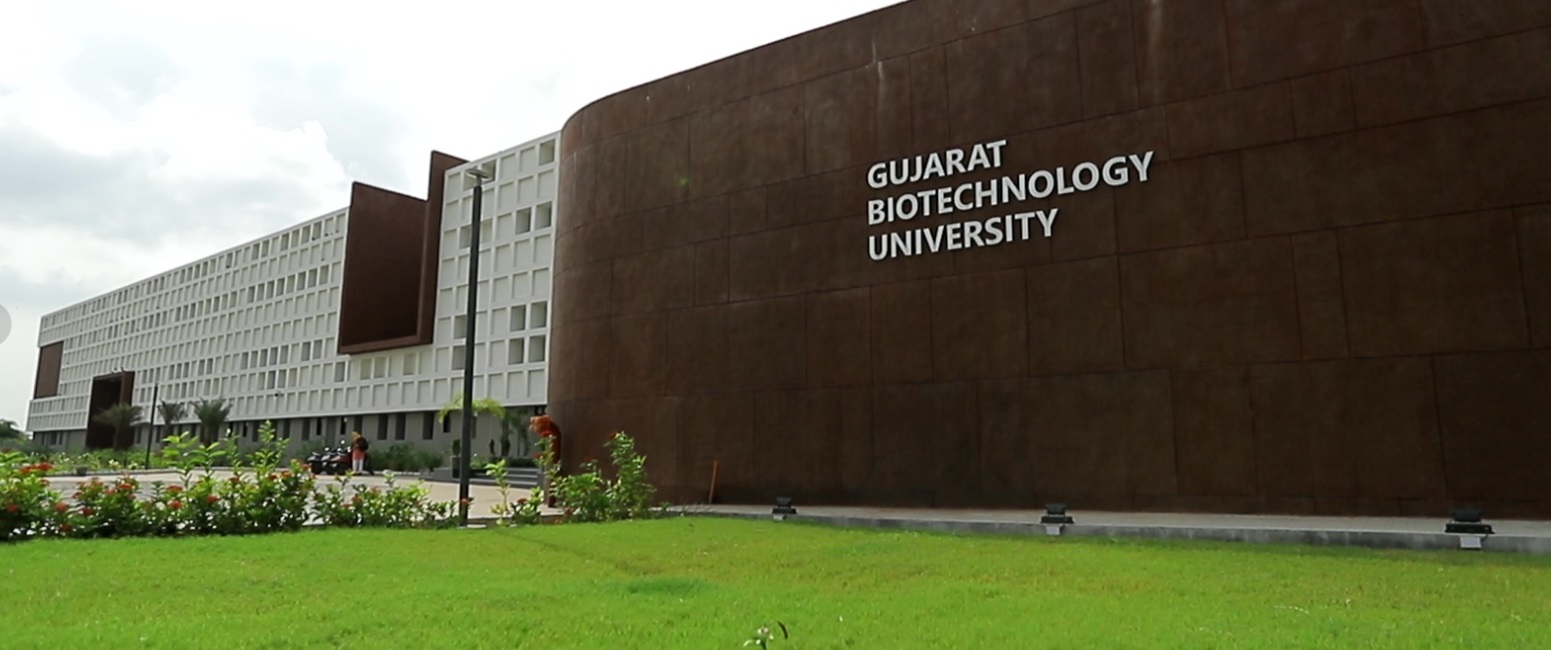
Gandhinagar: Gujarat Biotechnology University (GBU), Gandhinagar, has secured funding from the Gates Foundation to develop RNA-based diagnostics and treatment solutions for Heavy Menstrual Bleeding (HMB), a significant yet often under-addressed women’s health concern. The research, led by Dr Rohini Nair, Assistant Professor at GBU—an institute operated by the State Government—aims to deliver affordable, scalable and minimally invasive technologies that can enable early diagnosis and personalised care, especially for women in remote regions. The project has been approved under the Gates Foundation’s Grand Challenges Support programme, with financial assistance of about ₹1.3 crore.
Dr Nair noted that the Gates Foundation opened the Grand Challenges call in February 2025 to invite innovative scientific approaches to address HMB. “The Foundation follows a two-stage process beginning with a concept note or Letter of Inquiry, after which selected applicants submit a full proposal to ensure alignment with global health priorities and scientific rigor,” she said. She added that GBU will also involve women directly in the project to strengthen awareness and encourage their participation in shaping solutions that benefit broader communities.
The study will be conducted in collaboration with Dr Rohina Aggrawal, Dean and Head of the Department of Obstetrics and Gynaecology at the Institute of Kidney Diseases and Research Centre in Ahmedabad. While Dr Aggrawal will lead patient identification and clinical assessments, Dr Nair’s laboratory will focus on molecular and genomic research centred on women’s health. The project will emphasise the development of cost-effective RNA-based tools for conditions such as Repeated Implantation Failure, Endometriosis and Heavy Menstrual Bleeding.
Highlighting the gravity of the issue, Dr Nair said HMB affects millions of women worldwide, contributing to anaemia, prolonged fatigue, reduced productivity and a diminished quality of life. “Its impact is far greater in under-resourced regions where timely diagnosis and effective treatment options are limited. We also intend to explore ways to improve access to and acceptance of treatments such as hormonal intrauterine devices. Despite its prevalence, there remains limited understanding of the biological causes of HMB, leading to delays in diagnosis and persistent stigma. Social norms often prevent women from speaking openly, and many rely solely on painkillers to cope,” she said.
She further explained that Abnormal Uterine Bleeding, of which HMB is a subset, may arise from structural causes such as polyps, adenomyosis, fibroids and malignancies, as well as non-structural factors including bleeding disorders, ovulatory dysfunction and endometrial dysfunction.
The project will use single-cell RNA sequencing to map the cellular and molecular mechanisms underlying HMB, generating a comprehensive dataset of the endometrial microenvironment. The findings are expected to help identify key biomarkers and biological pathways associated with abnormal menstrual bleeding, paving the way for more targeted diagnostic and therapeutic approaches.
Prof Sudhir Pratap Singh, Dean of Research at GBU, described the initiative as a milestone in India’s growing contribution to global women’s health research. “This project reinforces GBU’s commitment to advancing impactful and science-driven research,” he said.
The research team will focus on strengthening the scientific understanding of HMB, examining its prevalence and impact in low-resource settings, refining diagnostic methods, deploying advanced technologies including artificial intelligence to identify underlying causes, and assessing ways to enhance the effectiveness and accessibility of treatment options.
Recent Stories
- Centre Designates Special NIA Court in Ahmedabad for Trial of Terror Cases
- Unseasonal Rain, Hailstorm Hit Jamnagar’s Lalpur
- 174-Year-Old Bhujiya Kotho in Jamnagar Reopens on March 19 After Restoration Work
- Police Lathicharge after violence in Unn village over Inter-Caste Marriage
- Gujarat UCC Bill 2026 Pushes for Common Framework for Marriage, Divorce, and Succession