
Gujarat Govt to Amend Disturbed Areas Act, Plans to Rename ‘Disturbed Areas’ as ‘Specified Areas’
March 19, 2026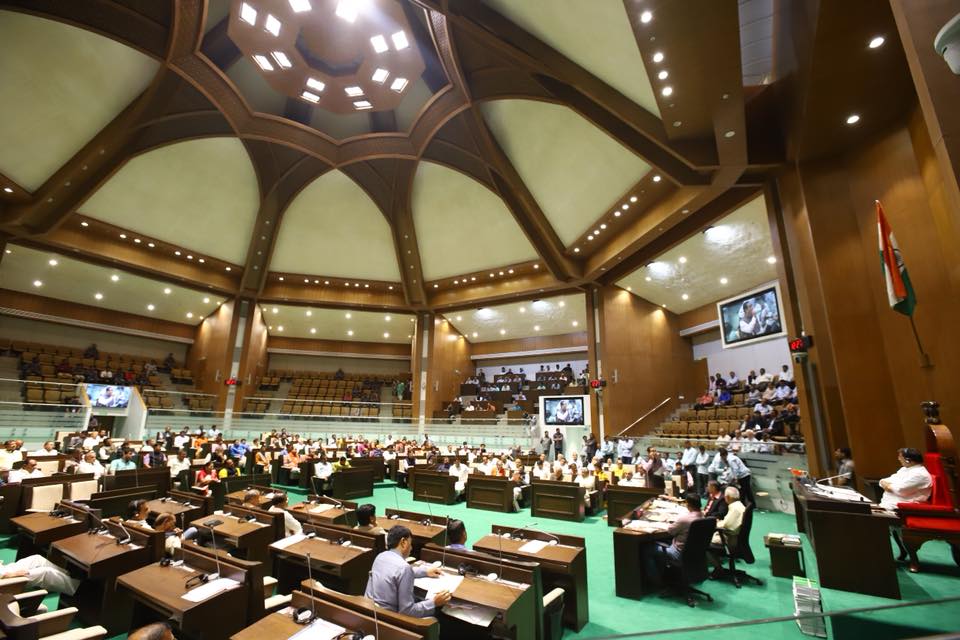
Gandhinagar: The Gujarat Government has introduced the draft Gujarat Prohibition of Transfer of Immovable Property and Provision for Protection of Tenants from Eviction from Premises in the Disturbed Areas (Amendment) Bill, 2026. The legislation is set to be tabled by Minister of State for Revenue Sanjay Singh Mahida during the ongoing Assembly session. The Bill aims to curb illegal property transfers and prevent the involuntary displacement of residents in communally sensitive zones.
Key Shift: “Specified Areas”
A key feature of the 2026 draft Bill is the formal renaming of “Disturbed Areas” as “Specified Areas” throughout the Act. Under the proposed provisions, the State Government may declare any locality as a Specified Area if it has been affected by riots or mob violence for a significant period, or if it is considered vulnerable to communal tensions that could lead to public-order disturbances or forced migration.
Enhanced Oversight and Investigation
To strengthen enforcement, the Bill proposes the constitution and empowerment of multiple authorities:
- Monitoring and Advisory Committee: The committee, comprising a Chairman and government representatives, will study communal conditions and advise the State Government on declaring Specified Areas.
- Special Investigation Team (SIT): The SIT will assist the Advisory Committee in data collection and support the District Collector in examining property transfer applications.
- Definition of “Aggrieved Person”: The amendment expands the definition of person aggrieved to include not only the buyer and seller but also any resident of the Specified Area, enabling third parties to raise objections to suspicious transactions.
Stricter Transfer Protocols
Under the proposed amendments, no property in a Specified Area can be legally transferred without prior inquiry by the District Collector. The inquiry will verify:
- Whether the transfer is made with the free consent of all parties
- Whether the sale price is fair and reasonable
- Whether the transfer could disturb the demographic balance or lead to communal disharmony in the locality
Legal Consequences and Restitution
The Bill introduces strict timelines for dealing with illegal transfers. If a transaction is declared invalid, the transferor must refund the amount within six months, and the transferee must return possession of the property. If the original owner fails to reclaim the property, the Collector may take temporary possession to safeguard the asset.
To avoid undue financial hardship, the Bill clarifies that these restrictions will not apply to properties mortgaged to financial institutions for the purpose of obtaining loans.
Objective of the Amendment
According to the government, the amendments have been proposed as properties were frequently transferred in violation of the 1991 Act, often resulting in unauthorized persons gaining possession. The 2026 Bill seeks to protect the interests of rightful owners and maintain social harmony in sensitive areas. DeshGujarat
Recent Stories
- ACB Gujarat Nabs Middleman in Bribe Case in Ahmedabad; Constable Absconding
- Another barrage to come up on Sabarmati River; Dilip Buildcon bags ₹268 crore project
- FDCA Gujarat Inspects 2,527 Units to Check ‘Analogue Paneer’ Display Compliance
- Gujarat Eases Non-Domestic LPG Supply Norms for Industries; Allows 70% Bulk Allocation
- Anant Ambani Donates ₹5 Crore to Somnath Temple for Year-Long Free Meals to devotees