
Petrol costlier by Rs. 2.61, Diesel by Rs. 2.71 per Litre
May 25, 2026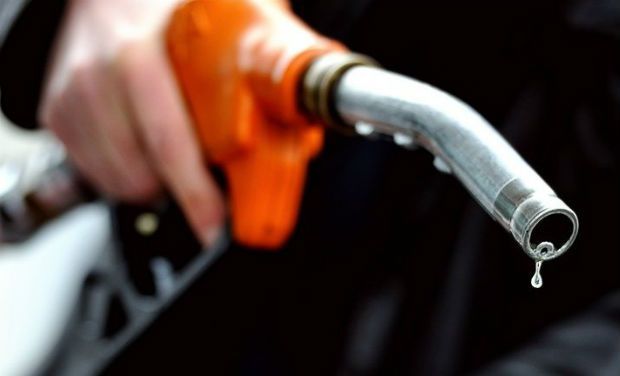
This adjustment follows two previous increases earlier in May, bringing the cumulative rise in fuel prices to nearly Rs. 5 per litre in just over 10 days. The hikes are part of a calibrated pass-through of under-recoveries faced by oil companies due to elevated international benchmark prices.Recent Hike History (May 2026)
- May 15: First major hike in nearly four years — Petrol and diesel prices increased by approximately Rs. 3 per litre across major cities. This broke a long period of price stability, with Delhi petrol rising from Rs. 94.77 to Rs. 97.77 and diesel from Rs. 87.67 to Rs. 90.67.
- May 19 (approx.): Second hike of around 90 paise (Rs. 0.90) per litre on average.
- Latest Hike (May 23–25 window): Petrol up by Rs. 2.61 and diesel by Rs. 2.71 (as announced), adding to the momentum. In Delhi, for instance, petrol has now crossed Rs. 99–100 per litre in cumulative effect, while diesel approaches Rs. 92–93.
Overall, since mid-May, petrol prices in Delhi have risen by about Rs. 4.74–4.80 per litre cumulatively, and diesel by a similar margin.
City-Wise Impact (Approximate Post-Latest Hike Rates)Prices vary due to state taxes and dealer margins:
- Delhi: Petrol ≈ Rs. 99.50–100+ | Diesel ≈ Rs. 92.50+
- Mumbai: Petrol likely over Rs. 108–110 | Diesel ≈ Rs. 95+
- Kolkata & Chennai: Even higher in high-tax states, with proportional increases pushing rates upward significantly.
Oil marketing companies (Indian Oil, BPCL, HPCL) had absorbed substantial losses for weeks amid crude oil prices surging past $100–103 per barrel due to disruptions in the Strait of Hormuz and West Asia conflicts. Domestic demand remains strong, adding pressure.
“This is a modest pass-on compared to global rises seen in other countries,” an industry source noted. However, consumer groups argue it will fuel inflation in transport, food, and essential goods. DeshGujarat
Leave a Reply
Recent Stories
- Football Deserves a Push in Gujarat ; Special Article by Parimal Nathwani, President of State Football Association
- Gujarat to Witness Dry Weather for Next 7 Days, Temperatures Likely to Stay Above 40°C, No Heatwave Warning
- Ahmedabad: Seventh Day Adventist School Faces Action for Illegally Charging ₹300 for Leaving Certificates
- Pizzainos' Outlet in Vadodara Accused of Serving Fungus-Infested Pizza to Children
- Bank Employee Arrested for ₹8.70 Crore Heist at Bank of Baroda in Ahmedabad
- The Mango Cargo: How a Cult-Favorite Kesar from Gujarat Conquered London Heathrow