
No surcharge, service charge on card and digital payments: Union Cabinet
February 24, 2016
New Delhi
With an aim to discourage cash transactions, the Cabinet today approved withdrawal of surcharge, service charge and convenience fee on card and digital payments.
The Cabinet chaired by Prime Minister Narendra Modi also approved mandating payments beyond a prescribed threshold only through a card or digital mode.
“The essential features of the proposals for promotion of payments through cards and digital means include steps for withdrawal of surcharge, service charge and convenience fee on card and digital payments currently imposed by various government departments, organisations…,” according to an official statement.
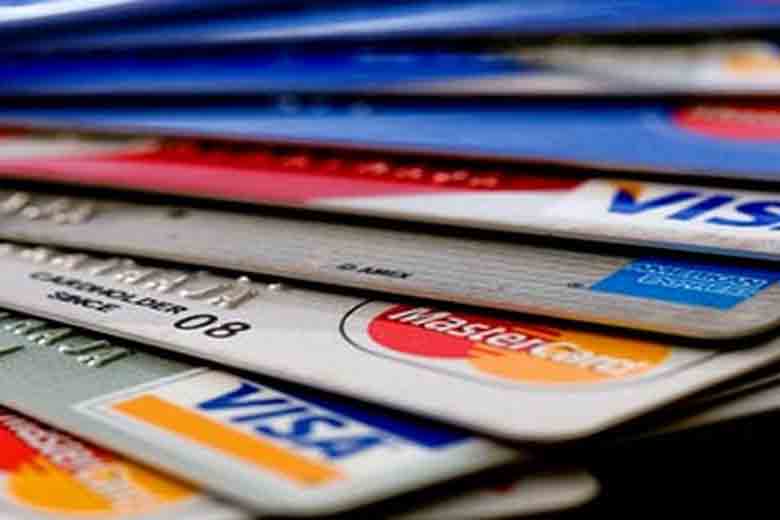
“The promotion of payments through cards and digital means will be instrumental in reducing tax avoidance, migration of government payments and collections to cashless mode,” it added.
The move primarily discourages transactions in cash by providing access to financial payment services to citizens to pay through cards and digital means and shifting payment ecosystem from cash dominated to non-cash or less cash payments, the statement said.
Among other measures aimed at reducing cash transactions include rationalisation of Merchant Discount Rate (MDR) on card transactions and a differentiated MDR framework for some key segments.
Other features include introduction of formula-linked acceptance infrastructure by the stakeholders of certain card products, rationalisation of telecom service charges for digital financial transactions and promotion of mobile banking.
Creation of necessary assurance mechanisms for quick resolution of fraudulent transactions and reviewing the payments ecosystem in the country have also been approved.
Several short-term (to be implemented within one year) and medium-term measures (two years) for implementation by the government ministries, departments and organisations were approved, the statement added.PTI
Official note:
Promotion of Payments through cards and digital means
The Union Cabinet chaired by the Prime Minister Shri Narendra Modi has given its approval for introduction of steps for promotion of payments through cards and digital means. The move aims at reducing cash transactions. Several short term (to be implemented within one year) and medium term measures (to be implemented within two years) have been approved for implementation by the Government Ministries/ Departments/ Organisations.
Promotion of payments through cards and digital means will be instrumental in reducing tax avoidance, migration of Government payments and collections to cashless mode, discourage transactions in cash by providing access to financial payment services to the citizens to conduct transactions through card/ digital means and shifting payment ecosystem from cash dominated to non-cash/less cash payments.
The essential features of the proposals for promotion of payments through cards and digital means include steps for withdrawal of surcharge/service charge/ convenience fee on card/ digital payments currently imposed by various Government Departments/organisations and introduction of appropriate acceptance infrastructure in Government Departments/ organisations; rationalization of Merchant Discount Rate (MDR) on card transactions and a differentiated MDR framework for some key transaction segments; mandating payments beyond a prescribed threshold only in card/ digital mode; introduction of formulae linked acceptance infrastructure by the stakeholders of certain card products; rationalisation of telecom service charges for digital financial transactions; promotion of mobile banking; and creation of necessary assurance mechanisms for quick resolution of fraudulent transactions and review the payments ecosystem in the country.
Background:
The infrastructure of card/ digital payments is growing, but remains modest in comparison to cash payments. For card/ digital payments to increase, they should be easy to use, readily available and accepted, should not impose any undue financial burden on the merchant and user, and should offer an appropriate level of security.
While the payment system initiatives taken in the form of Electronic Clearing Service Scheme, National Electronic Funds Transfer, Real Time Gross Settlement Scheme etc. have been impressive, the benefits of modern card/ digital payment systems are yet to reach all sections of the society and be accepted across the length and breadth of the country. Current experience and evidence indicates that the penetration and success of modern card/ digital payment products and services is concentrated to a large extent in the tier-l and tier-ll locations of the country and mostly to those citizens who have access to the formal banking channels.
The introduction of the Payment and Settlement Systems Act, 2007 has resulted in deeper acceptance and penetration of modern card/ digital payment systems in the country, Aadhaar Enabled Payment Systems (AEPS) has been brought to effect to leverage upon biometric verification and a domestic card network namely, RuPay.
The Reserve Bank of India has also recently approved licences for setting up of Payments Banks with the objective of greater financial inclusion by the Payments Banks by providing small savings accounts and payments/ remittance services to migrant labour workforce, low income households, small businesses, other unorganised sector entities.
Recent Stories
- Diwali Food Safety Drive: AMC Seals Two Units, Fines Four Outlets ₹40,000
- HDFC Bank Gets Govt Nod to Offer Deposits Under Capital Gains Accounts Scheme
- GSSSB Announces Recruitment for 1,237 Class-3 Posts; Applications Open on November 5
- AMC to Hike Parking Fees; Proposed New Rates Here
- Mumbai Mayor Ritu Tawde Meets Gujarat CM Bhupendra Patel
- Holiday Inn Resort to Come Up in Sasan Gir