
222 wolves in Gujarat across 13 districts; Bhavnagar leads with 80
December 30, 2024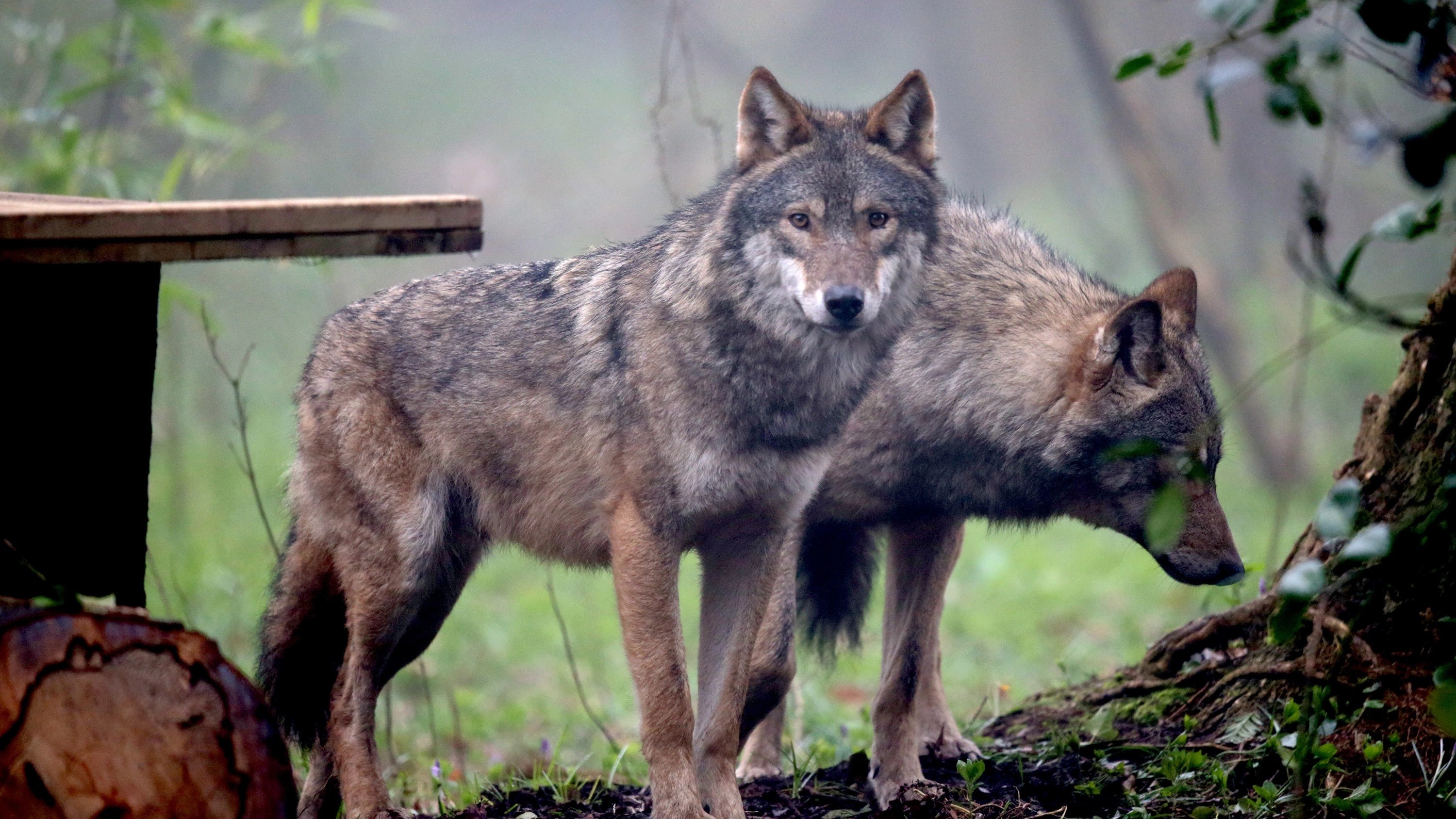
Bhavnagar: The Gujarat state Forest Department conducted a wolf population survey across the state in 2023 in collaboration with the Gujarat Ecological Education and Research (‘Gir’) Foundation, recording approximately 222 wolves in 13 districts of Gujarat.
The highest number of 80 wolves was recorded in Bhavnagar district, followed by 39 in Narmada, 36 in Banaskantha, 18 in Surendranagar, 12 each in Jamnagar and Morbi, and 9 in Kutch. Additionally, the presence of wolves has been noted in Porbandar, Mehsana, Navsari, Patan, Aravalli, and Surat districts as well.
Furthermore, with the collaboration of the ‘Gir’ Foundation and the Gujarat Forest Department, an atlas depicting favorable habitats for wolves in the state has been created. This atlas, which shows the habitats of Indian wolves, is a crucial step in ongoing conservation efforts, as wolves are a keystone species playing an essential role in maintaining ecological balance and supporting sustainable agriculture.
The atlas, developed using advanced technologies like remote sensing and GIS available at the ‘Gir’ Foundation, was officially launched by Chief Minister Bhupendra Patel on December 25, 2024, during the ‘Good Governance’ day, in the presence of the Forest Minister Mulubhai Bera and senior officials.
The primary goal of this atlas, created by the ‘Gir’ Foundation, is to identify favorable habitats for wolves in the state. Prioritizing the protection of these habitats will not only benefit the wolves but also other wildlife, resulting in an increase in the wolf population. Detailed information about these habitats is provided in the atlas. Studies conducted by the ‘Gir’ Foundation have mapped the presence of wolves and their habitats in 13 districts. Effective conservation efforts will lead to favorable conditions for the growing wolf population.
Ideal Habitats for Wolves in Gujarat
Wolves in Gujarat are primarily found in forested and desert areas. These animals thrive in areas with dense shrubbery and tree cover. According to the atlas, suitable habitats for wolves are mainly open, bushy areas with access to water sources and grassy plains, which are ideal for the Indian wolf.
Additionally, both the small and large Rann of Kutch have been identified as important habitats for the Indian wolf. The Bhavnagar region, including Velavadar National Park and surrounding areas, is another key area where wolves help control the population of blackbuck as natural hunters. Forests in the Shulpaneshwar Wildlife Sanctuary in Narmada district have also become a preferred habitat for wolves.
The atlas, developed by the ‘Gir’ Foundation and the Forest Department, will also help identify key corridors connecting these primary habitats. These corridors are crucial for the movement and genetic diversity of the Indian wolf, which is necessary for its long-term survival. The atlas serves as an essential tool for planning future conservation strategies and prioritizing areas that need protection.
The ‘Gir’ Foundation will use this atlas as a guiding resource for the effective management and conservation of Indian wolf habitats in Gujarat. The atlas represents years of regional data, continuous monitoring by Forest Department staff, research, and the collective knowledge of experts committed to conservation. Additionally, the Forest Department, researchers, nature enthusiasts, and conservationists will encourage citizens living near forests and the Rann to actively protect wolves and contribute to their conservation.
Identification of Wolves
The wolf (Canis lupus pallipes) is one of the most intelligent creatures in nature. Its body length ranges from 3 to 5 feet, and it weighs between 30 and 80 kilograms. The wolf’s distinctive body, bright eyes, and long tail set it apart from other animals. Its fur comes in various colors, including brown, black, white, or khaki, which helps it blend into its environment.
A group of wolves is called a “pack.” Typically, a pack consists of 6 to 15 wolves, with an alpha male and female leading the group. They hunt together, share food, and protect their territory.
Wolves are not just predators but also an integral part of the natural ecosystem. Their intelligence, social structure, and role in nature inspire humans to strengthen their bond with the environment. In Gujarat’s ecosystem, the wolf’s hunting behavior and healthy population are crucial for maintaining ecological balance.
Recent Stories
- Diwali Food Safety Drive: AMC Seals Two Units, Fines Four Outlets ₹40,000
- HDFC Bank Gets Govt Nod to Offer Deposits Under Capital Gains Accounts Scheme
- GSSSB Announces Recruitment for 1,237 Class-3 Posts; Applications Open on November 5
- AMC to Hike Parking Fees; Proposed New Rates Here
- Mumbai Mayor Ritu Tawde Meets Gujarat CM Bhupendra Patel
- Holiday Inn Resort to Come Up in Sasan Gir