
Gujarat Bill Proposes Up to 2-Year Jail, ₹15 Lakh Fine for Running Unregistered Schools
September 09, 2026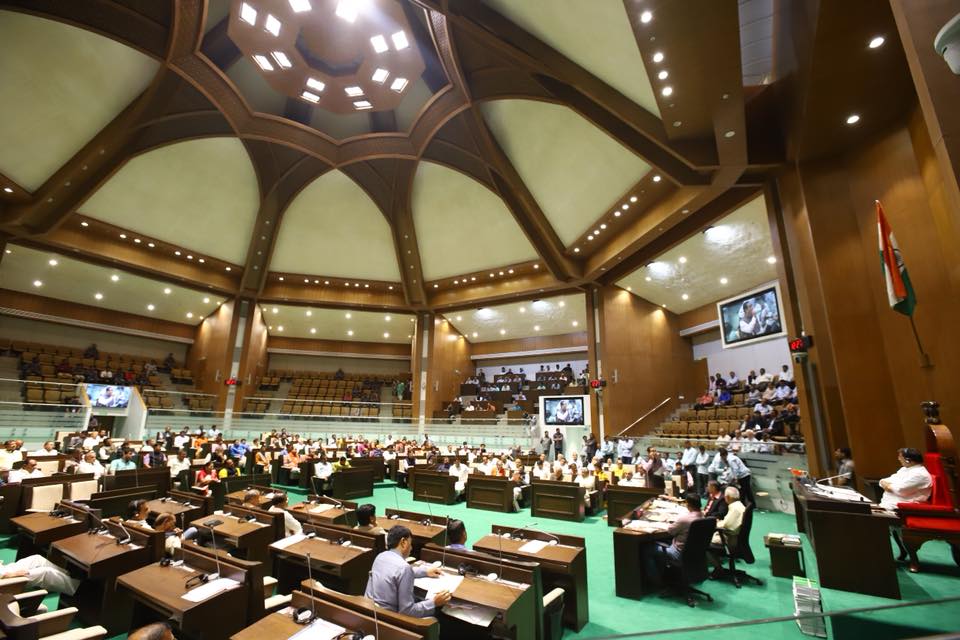
Ahmedabad: The Gujarat government has proposed sweeping changes to the state’s secondary and higher secondary education law, including imprisonment of up to two years and fines of up to ₹15 lakh for running an unregistered school, besides sharply higher penalties for illegal staff appointments and shutting down schools without following prescribed procedures.
The provisions are part of the Gujarat Secondary and Higher Secondary Education (Amendment) Bill, 2026 (Gujarat Bill No. 26 of 2026), which seeks to amend the Gujarat Secondary and Higher Secondary Education Act, 1972. The bill is set to be tabled during the ongoing monsoon session of the state Assembly.
Under the proposed amendment, running a school without registration or approval from the Gujarat Secondary and Higher Secondary Education Board will attract imprisonment of one to two years, a fine ranging from ₹10 lakh to ₹15 lakh, or both. The existing provision carries a fine of only ₹1 lakh to ₹2 lakh.
The bill also proposes a major increase in the penalty for the unauthorised appointment of principals, teachers or other staff in violation of prescribed rules. The fine, currently ₹1,000, has been proposed to be increased to ₹10 lakh.
Similarly, school managements that close an institution without giving the required notice or obtaining approval from the Board could face a penalty of up to ₹20 lakh, compared with the existing fine of ₹1,000. The amended provision also requires six months’ prior notice before closing a school.
The proposed legislation also introduces safeguards for teachers and other school employees. If a school management suspends a teacher or headmaster, the matter will have to be referred to an officer authorised by the Board for ratification. The officer will have to decide the matter within 45 days, failing which the suspension will automatically stand cancelled.
Another significant provision relates to students with disabilities. The bill formally defines a “special educator” and provides for their appointment in schools. Special educators will be required to possess qualifications recognised through courses approved by the Rehabilitation Council of India (RCI).
The bill also seeks to bring government-aided private secondary and higher secondary schools more explicitly within the statutory framework, with provisions covering the recruitment, qualifications and service conditions of teachers, headmasters and non-teaching staff. Recruitment in such institutions will also be subject to the state government’s reservation policy.
In addition, the legislation proposes changes to the elected membership structure of the Gujarat Secondary and Higher Secondary Education Board. Representatives of the management and employees of non-granted schools, along with other specified stakeholders, will be eligible to participate in Board elections under the amended framework.
The amendments are aimed at strengthening regulatory oversight of schools, deterring unauthorised educational activities and appointments, protecting the service interests of school employees and ensuring better support for students with disabilities. DeshGujarat
Recent Stories
- Gujarat Deputy CM Harsh Sanghavi on Japan Visit
- Gujarat Govt Orders Criminal Action Against Contractor Over Poor Bridge Construction Quality
- Day 7 Navratri 2026 Live: Falguni Pathak Garba, LVP Vadodara, United Way of Baroda & More
- Illegal Bangladeshi Migrant Woman Nabbed in Junagadh
- AMC Seals Hocco Ice Cream and 7 Other Shops Near Law Garden
- Gujarat Govt Assures Adequate Electricity Supply; Secures Additional Power and Coal