
Gujarat HC Junks Pleas Against Merger of Gram Panchayats with Municipal Bodies
July 27, 2026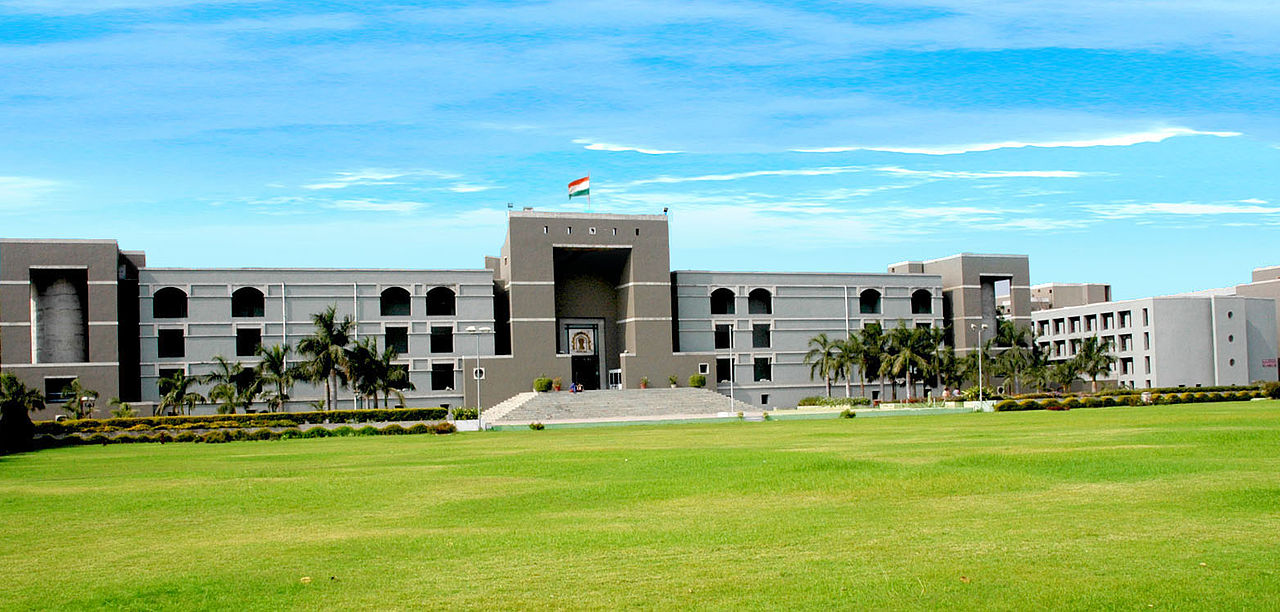
Ahmedabad: The Gujarat High Court has dismissed a batch of petitions challenging the state government’s decision to merge several gram panchayats with municipal bodies across Gujarat. The court held that the government’s action under Article 243Q(2) of the Constitution is primarily a legislative and policy decision, leaving only limited scope for judicial review.
The petitions, filed by various village panchayats, challenged notifications issued by the Urban Development and Urban Housing Department between 2023 and 2025. These notifications merged several gram panchayats into municipalities, including Godhra, Shehara, Dabhoi, Kalol and Modasa, as well as the municipal corporations of Gandhidham and Mehsana.
The petitioners argued that the state had not properly considered the constitutional criteria under Article 243Q(2), such as population, population density, local revenue generation, the proportion of non-agricultural employment and the area’s economic significance. They alleged that the decision-making process was mechanical, arbitrary and lacked uniform standards. Some also claimed there had been no meaningful consultation, questioned panchayat resolutions said to reflect consent, and raised concerns related to tribal rights and land protections.
Defending its decision, the state government argued that notifications issued under Article 243Q(2) are legislative in nature and do not require public consent, hearings or mandatory consultations. It also said the Constitution allows flexibility by permitting consideration of “such other factors as he may deem fit.” According to the government, official records showed that inputs from municipal officials, district collectors and regional commissioners were taken into account before the notifications were issued.
After examining the records, the High Court observed that the proposals to expand municipal limits were reviewed at multiple administrative levels before receiving final approval.
The court noted that reports and opinions were sought from collectors, mamlatdars, chief officers, regional commissioners, the Directorate of Municipalities and other competent authorities. It said officials evaluated village-wise data on population, population density, urbanisation, projected urban growth, revenue generation, economic importance, geographical location, civic infrastructure and other relevant constitutional factors before making their recommendations.
The court further observed that the proposals moved through the established administrative process before being placed before the competent constitutional authority for approval. In view of this, it held that the government’s decision could not be described as arbitrary. DeshGujarat
Recent Stories
- Work Starts on New Integrated Terminal at Ahmedabad Airport
- Rail Traffic Still Affected by Waterlogging in Ahmedabad Division; Several Trains Cancelled, Diverted
- Which Places in Gujarat May Get Heavy Rain Next Week? Here's IMD Forecast
- GACL to Set Up ₹55-Crore HCL Synthesis Unit at Dahej
- GCCI Requests CBDT to Extend ITR Filing Deadline Due to Heavy Rains in Gujarat
- Western Railway Reroutes Four Trains Serving Gujarat After Mumbai Division Landslide