
Gujarat Approves ₹1,331-Crore Daman-Ganga Lift Irrigation Scheme for Tribal Areas
October 10, 2026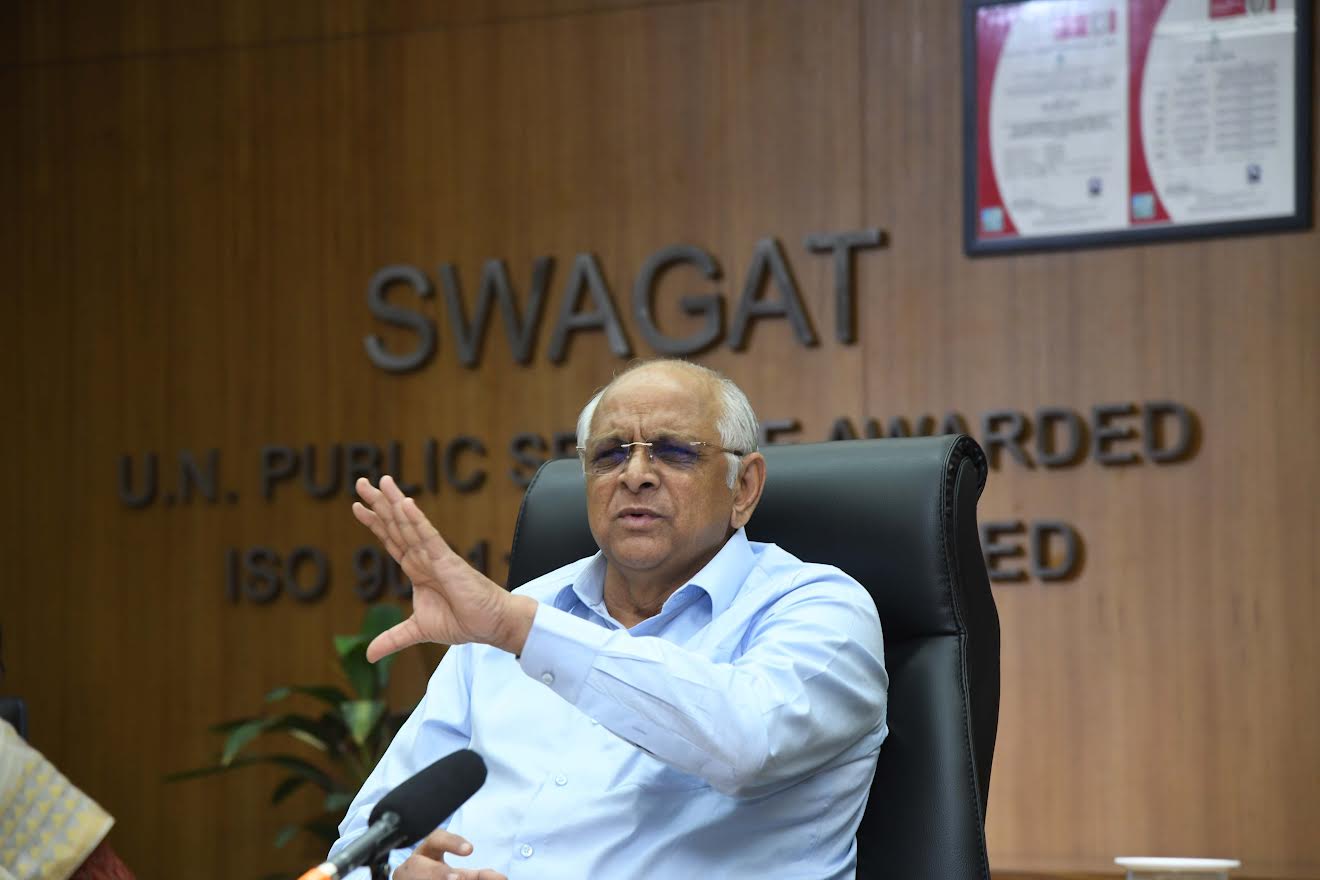
Gandhinagar: Gujarat Chief Minister Bhupendra Patel has granted administrative approval for the ₹1,331.30-crore Daman-Ganga Lift Irrigation Scheme to provide irrigation facilities to tribal-dominated Kaprada and Dharampur talukas of Valsad district.
The scheme aims to address water scarcity in the hilly regions of South Gujarat by lifting surplus water from the Madhuban Reservoir and supplying it to areas located at higher elevations. It is expected to benefit 17,000 hectares of agricultural land across 46 villages.
The eastern parts of Kaprada and Dharampur have faced irrigation challenges because of their elevation, which limits access to the gravity-based canal network serving the lower-lying areas. Farmers in these regions have traditionally depended on groundwater resources.
53-km main pipeline and three pumping stations
The state’s Narmada, Water Resources, Water Supply and Kalpsar Department conducted a feasibility and engineering study to identify a suitable route for transporting water to the elevated areas. Following an assessment of different options, Alternative-3 was selected.
The proposed network will include a main pipeline of approximately 53 km and more than 188 km of branch and feeder pipelines. The system will cover elevations ranging from 65 metres to 382 metres above sea level.
Water will be lifted through a staged pumping system comprising three pumping stations. The main pumping station, PS-1, will be constructed on government land near Fatehpur village, close to Madhuban Dam. The other two stations will be located at Burvad (PS-2) and near Kistonia (PS-3).
The combined capacity of the pumping system will be 56,400 kW, equivalent to 75,600 horsepower. Break Pressure Tanks will be installed in elevated areas near Kaprada village to reduce excess static pressure and facilitate the onward flow of water towards Dharampur through the branch network.
Water distribution across 46 villages
The scheme will have a water-carrying capacity of 500 cusecs and will operate for 100 days annually, with water distributed through a 15-day rotational supply cycle across two designated zones.
Zone 1 will cover 28 villages in Kaprada taluka, with a peak water requirement of 320 cusecs. Zone 2 will receive 180 cusecs for 17 villages across Kaprada and Dharampur talukas.
Instead of supplying lifted water directly to individual farms, the scheme will channel it into 26 village ponds and 81 check dams for distribution and local water storage.
The project is intended to improve irrigation access in the tribal-dominated regions of Valsad district and support agricultural activities in areas where differences in elevation have posed challenges to conventional canal-based irrigation. DeshGujarat
Recent Stories
- Gujarat Police Recruitment: Ex-Agniveers to Get Exemption from Written Exam
- Fusion CX’s ₹702 crore IPO to open on October 14, price band set at ₹275-₹289 per share
- Anti-Submarine Warfare Water Craft Named after Gujarat's Coastal Town to be Launched on Oct 12
- Congress leader Deepak Babariya passes away
- Voting for Gandhinagar Municipal Corporation (GMC) Election, various local by-polls this Sunday
- Gujarat Announces Comprehensive MSME Assistance Scheme Under Industrial Policy 2026