
Background on the #Nepokids Trend and Nepal’s Gen Z Protests
September 09, 2025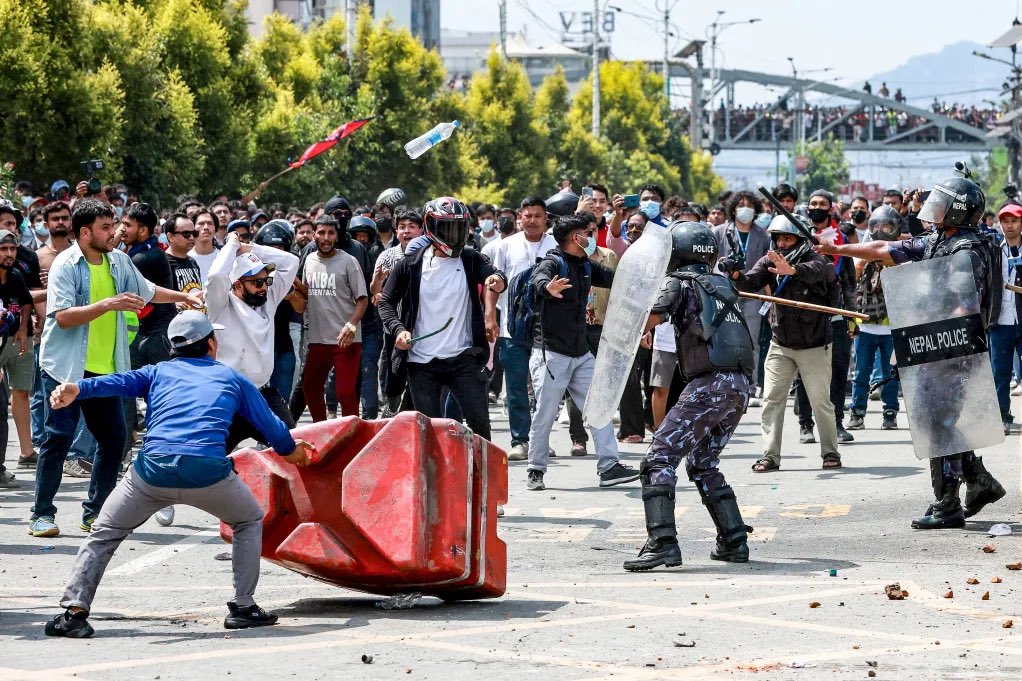
Gandhinagar: In the lead-up to the massive youth-led protests that erupted in Nepal on September 8, 2025, social media platforms like TikTok and Reddit were flooded with content under the hashtag #Nepokids (and related tags like #NepoBabies, #NepoKid, and #PoliticiansNepoBabyNepal). This trend, which gained traction in early September 2025, highlighted the stark contrast between the luxurious lifestyles of children of politicians and elites—often accused of benefiting from corruption and taxpayer money—and the daily struggles of ordinary Nepalis, including high youth unemployment (around 20.8% for ages 15-24), economic inequality, and widespread poverty. The movement was inspired by global “nepo baby” discussions (e.g., in Hollywood and Bollywood) but localized to Nepal’s political class, drawing parallels to similar campaigns in the Philippines.
The trend exploded after the government imposed a ban on 26 social media platforms (including Facebook, Instagram, WhatsApp, X, and YouTube) on September 4, 2025, for failing to register under new regulations. Many viewed the ban as an attempt to censor this growing online outrage against nepotism and corruption. Youths mobilized on unaffected platforms like TikTok to call for street protests, emphasizing generational frustration with leaders like Prime Minister K.P. Sharma Oli, who was seen as emblematic of entrenched elite privilege. By September 7-8, the online buzz had translated into real-world action, with thousands of Gen Z protesters (many in school uniforms) marching in Kathmandu and other cities, leading to violent clashes that killed at least 19 people and injured hundreds.
The #Nepokids content was particularly viral because it humanized inequality: posts juxtaposed elite kids’ designer hauls and foreign vacations with images of Nepali migrant workers returning in coffins from abroad (e.g., jobs in conflict zones like Ukraine). This fueled calls for asset investigations, anti-corruption reforms, and even nationalization of elite wealth. Below are some of the most prominent and viral examples of posts, pictures, and videos from before the street protests (primarily from September 1-7, 2025), based on reports from Nepali and international media. These garnered millions of views and shares, with TikTok videos alone racking up tens of millions of engagements before the ban fully took effect.
Key Viral #Nepokids Posts, Pictures, and Videos
1. Saugat Thapa’s “Christmas Tree” Photo (TikTok, ~5-10 Million Views)
One of the most shared images was a photo of Saugat Thapa, son of politician Bindu Kumar Thapa (accused of corruption), posing in front of a “Christmas tree” made of over 30 luxury gift boxes from brands like Cartier, Louis Vuitton, and Gucci. Posted around September 5, 2025, on TikTok under #NepoKids, it was captioned: “While ordinary Nepalis send remittances from abroad to survive, nepo babies build Christmas trees with stolen taxpayer money.” The image went mega-viral as users edited it with side-by-side comparisons to photos of impoverished Nepali families or migrant workers’ coffins. Nepali influencer George Gurung (based in London) reposted it, commenting: “Nepal is one of the poorest countries, yet this kid celebrates with designer brands instead of a real tree—absurd!” This post was credited with sparking wider mobilization, as it directly tied elite extravagance to public funds.
- Why Viral? It symbolized “two-tier society” and was remixed into memes calling for protests. Shares surged after the social media ban, pushing users to VPNs and alternative sites.

2. Miss Nepal 2024 Ashma Kumari KC Video Montage (TikTok/Reddit, ~3 Million Views)
A edited video montage targeting Ashma Kumari KC (Miss Nepal 2024 and Saugat Thapa’s girlfriend) circulated widely from September 6, 2025. It compiled her Instagram clips of luxury trips to Europe, designer outfits, and high-end events, contrasted with footage of Nepali youth protesting unemployment or working grueling jobs abroad. Caption: “#NepoBaby: Daughter of elite lives like royalty on corruption cash, while our kids die in foreign wars for $200/month.” The video ended with a call to action: “Time to hit the streets—end nepotism!” Posted on Reddit’s r/Nepal and TikTok, it trended as #PoliticiansNepoBabyNepal and was viewed millions of times before the ban. Users accused her family ties (linked to political insiders) of funding her pageantry career.
- Why Viral? It tapped into gender and beauty ideals, with women creators amplifying it to highlight how elite women benefit from systemic bias. Remixes included protest chants overlaid on her clips.

- Why Viral? As a public figure, her story resonated; the video was shared by anti-corruption NGOs like Hami Nepal, which later organized the September 8 protests. It had high engagement due to debates on “philanthropy as a front.”
4. General “Coffins vs. Gucci” Meme Videos (Multiple TikToks, Collective ~15+ Million Views)
A series of anonymous TikTok videos from September 2-7, 2025, became the trend’s backbone. These short clips (15-30 seconds) showed split-screens: on one side, Nepali migrant workers’ coffins arriving from abroad (e.g., Gulf countries or Ukraine); on the other, politicians’ kids unboxing Gucci bags or vacationing in Dubai. One popular one (posted September 5) read: “Leaders’ children return with Gucci; people’s children in coffins. #Nepokids #EndCorruption.” These were remixed with protest songs and calls for Gen Z marches, often ending with: “See you on the streets September 8.” They trended on TikTok (still accessible) and were cross-posted to Reddit for wider reach.
- Why Viral? Emotional and visual impact; they amassed shares from the Nepali diaspora (millions abroad). One version hit 5 million views alone, per Kathmandu Post reports.
5. X (Twitter) Thread by @kathmandupost on the Trend (September 6, ~4K Likes, 3.8K Views)
The Kathmandu Post’s official X post summarized the trend: “‘Nepo kid’ trend sparks anti-corruption campaign in Nepal. Youths target politicians’ children on TikTok and Reddit, call for street protests.” It linked to their article detailing how the buzz led to planned demos. This post amplified the narrative, with users quoting it to share personal stories of inequality.
- Why Viral? Credible journalism boosted legitimacy; it was reposted by influencers, bridging online rage to offline action.
“Nepo kid” trend sparks anti-corruption campaign in Nepal
Youths target politicians’ children on TikTok and Reddit, call for street protests.https://t.co/AxsB6GjSNP
— The Kathmandu Post (@kathmandupost) September 6, 2025
Impact and LegacyThese viral pieces weren’t just memes—they organized the protests. Organizers like Hami Nepal (a youth NGO) used them to rally via WhatsApp groups and VPNs, urging students to wear uniforms and carry books to symbolize the future at stake. The government’s ban backfired, as content leaked via TikTok (which complied earlier) and international shares, leading to the deadly September 8 clashes outside Parliament. By September 9, the ban was lifted, and PM Oli resigned amid ongoing demands for accountability.
The #Nepokids trend marked a turning point, empowering Nepal’s youth to challenge decades of elite impunity and inspiring similar movements regionally.
Recent Stories
- Gujarat HC CJ Sunita Agarwal elevated to SC; Senior Most Justice Pathak Likely Acting Chief Justice
- Surendranagar Police Raid Gym, Recover 100s of Photos and Videos of Hindu Women
- Sabarmati Riverfront Phase-II: 82% Work Completed, Entire Phase Expected by December 2027
- Gujarat Govt Buildings Have 95 MW Rooftop Solar Capacity, Another 65 MW Planned This Year
- Surat Airport Expands Use of Renewable Energy
- Bullet Train Bridge over Sabarmati River in Ahmedabad completed