
Gujarat’s Chemical Industry Under Pressure as West Asia Tensions Drive Up Costs
May 27, 2026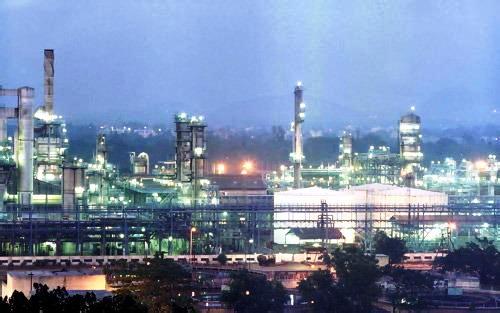
Ankleshwar: Industries across the major industrial belts of Ankleshwar, Panoli, Jhagdiya, Vagra and Dahej GIDC are facing growing concerns of an economic slowdown as rising fuel prices and disruptions in global supply chains increase pressure on manufacturing costs.
The industrial clusters, including Ankleshwar GIDC — considered one of Asia’s largest industrial estates — are being directly impacted by the sharp rise in petrol, diesel and CNG prices. Industry stakeholders say the escalating conflict in the Middle East has disrupted international crude oil supply chains, creating uncertainty for Gujarat’s industrial sector.
Over the last 11 days, petrol prices in Gujarat have reportedly risen by around Rs 7.5 to Rs 8 per litre, while diesel prices have increased by over Rs 7 per litre. The rise in fuel costs, coupled with disruptions in shipping routes linked to the Middle East crisis, has also resulted in delays in imports and a 12–20% increase in freight charges.
Experts warn that units operating diesel-based plants may see electricity generation costs rise by 10–18%. If the current situation continues, overall production costs could increase by 8–15%, potentially affecting the global competitiveness of Gujarat’s chemical industry.
Bharuch district plays a major role in the sector, contributing nearly 19% of the country’s chemical exports. The district is estimated to conduct annual international trade worth between Rs 1.15 lakh crore and Rs 1.25 lakh crore. Annual exports are estimated at Rs 54,000 crore to Rs 62,000 crore (approximately $6–8 billion), while imports stand at Rs 66,000 crore to Rs 78,000 crore (around $8–10 billion).
The district exports dyes, pigments, chemicals, pharmaceutical APIs, agrochemicals and tyres. Meanwhile, Dahej Port handles large-scale imports of crude oil, liquid chemicals, LNG and specialty chemicals required by industries.
Monthly transport costs rise by up to Rs 5 lakh
According to chemical exporters, a large portion of import-export activity from Gujarat’s industrial “Golden Corridor” depends on Mumbai’s Jawaharlal Nehru Port. The recent fuel price surge has significantly increased container transportation costs.
Transporting a 20-foot container from Mumbai Port to Ankleshwar, which cost around Rs 34,000–36,000 a month ago, now costs between Rs 39,000 and Rs 42,000. Industry representatives estimate that monthly transportation expenses for several units have risen by as much as Rs 5 lakh.
Crude-based raw materials become costlier
Industrial units in the Ankleshwar-Panoli belt manufacture dyes, pigments, pharma intermediates, specialty chemicals and solvents, while Jhagdiya focuses on agrochemicals and API production. Dahej and Vagra largely produce petrochemicals and industrial gases.
Most crude-based raw materials used in these sectors are imported from Saudi Arabia, UAE, Qatar and Singapore. Industry sources say ongoing geopolitical tensions have either disrupted supplies or sharply increased prices of these inputs.
Production costs rise 12–15%
The president of the Ankleshwar Industries Association said rising fuel costs are significantly impacting production economics. According to industry surveys and economic assessments, power, fuel and logistics constitute major expenses for the chemical and pharmaceutical sectors.
Industry estimates indicate that overall production costs have risen by 12–15%, while prices of key crude-derived raw materials such as benzene, toluene and solvents have increased by up to 20%, putting additional pressure on working capital requirements.
Leave a Reply
Recent Stories
- Western Railway Modernises 314-km Gujarat Rail Network with Advanced MPLS-Based Communication System
- SC Grants Bail to Tathya Patel in Ahmedabad ISKCON Bridge Accident Case
- Gujarat CM Orders Formation of New SOP to Speed Up Development Projects
- Gujarat Govt Expands Mukhyamantri Pak Sangrah Yojana, Doubles Aid for Farmers
- Gulf of Khambhat Sea Bridge: Centre Initiates Plans for Bhavnagar - Bharuch Expressway
- Talala Kesar Mango Sales Cross 5.26 Lakh Boxes, Farmers Earn Rs 33.72 Crore