
How to Tackle a Persistent Flaky Scalp the Right Way
June 23, 2026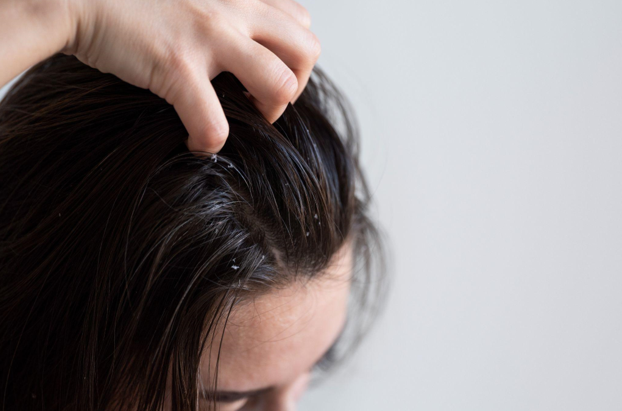
Flakes on your shoulders or an itchy scalp that just won’t settle down — most people brush this off as a minor inconvenience. But if it keeps coming back no matter what shampoo you try, there’s usually something deeper going on. A persistent flaky scalp deserves more than a quick fix. It needs a proper understanding of why it’s happening in the first place.
Why the Scalp Gets Flaky
The scalp has a natural skin cycle. Old cells shed and new ones replace them — this is completely normal. The problem starts when this cycle speeds up or gets disrupted. When that happens, cells pile up faster than they can shed cleanly, and you end up with those visible white or yellowish flakes.
Several things can trigger this:
- • An overgrowth of a yeast called Malassezia, which naturally lives on the scalp but becomes problematic in excess
- • A dry scalp that lacks enough moisture or natural oil
- • Seborrheic dermatitis, a common skin condition that causes oily, flaky patches
- • Product buildup that clogs the scalp and disrupts its natural balance
- • Stress, which directly affects sebum production and immune response on the skin
Many people treat all of these the same way, which is why they keep seeing flakes return.
The Dry Scalp vs. Dandruff Confusion
These two are often mixed up, but they’re quite different. A dry scalp flakes because it lacks oil and moisture — the flakes are small, white, and dry. Dandruff (especially linked to Malassezia or seborrheic dermatitis) tends to produce larger, oilier flakes, sometimes yellowish, often accompanied by itching.
If you’ve been using a harsh anti-dandruff shampoo on a dry scalp, you may actually be making things worse. The shampoo strips away what little moisture is left, which triggers more flaking and irritation. Getting the diagnosis right matters more than getting the most popular product off the shelf.
What Most People Get Wrong About Treatment
The most common mistake is focusing entirely on the symptom — flakes — without looking at what’s driving them. Someone with stress-related scalp issues might need lifestyle support as much as a topical treatment. Someone dealing with fungal overgrowth needs an ingredient that actually targets yeast, like ketoconazole or zinc pyrithione.
A proper dandruff treatment isn’t just about the shampoo you use. It also involves:
- • How often you wash your hair (under-washing can worsen buildup; over-washing can dry the scalp)
- • Your diet, since deficiencies in zinc, B vitamins, and omega-3s affect skin health
- • Whether you’re using heavy hair oils or styling products that are sitting on the scalp
- • Managing stress, which has a direct and underappreciated effect on scalp conditions
How Ingredients Actually Work
Active ingredients in scalp treatments aren’t magic — they work through specific mechanisms. Zinc pyrithione slows down the overproduction of skin cells and has antifungal properties. Salicylic acid helps loosen and dissolve the flakes so they can shed more cleanly. Coal tar slows skin cell turnover and reduces inflammation.
The key is matching the ingredient to the cause. Using salicylic acid when you have a fungal problem won’t resolve it. Using a moisturizing formula when you have a yeast overgrowth might not be enough on its own. This is also why rotating products randomly rarely works — consistency with the right formula does.
The Traya Anti Dandruff Shampoo is formulated specifically to address the fungal and inflammatory triggers behind dandruff rather than just washing away the flakes temporarily.
When to Look Beyond the Surface
If flaking has been happening for months, spreads beyond the scalp, or comes with significant redness and discomfort, it’s worth speaking to a dermatologist. Conditions like psoriasis or eczema can present similarly to dandruff but require entirely different management.
Root-cause thinking is what separates temporary relief from lasting change.
Final Thoughts
A flaky scalp is your skin signaling that something is off — whether it’s a fungal imbalance, dryness, stress, or inflammation. Chasing the flakes alone rarely leads to lasting results. Understanding what type of flaking you’re dealing with, choosing the right ingredients, and staying consistent is what actually works. If you want to go deeper into your options, this dandruff treatment guide covers everything from home remedies to dermatologist-backed solutions in a clear, practical way. Start there before you pick up the next shampoo.
Recent Stories
- Chandlodiya Railway Bridge Work to Begin; Traffic Diversions Announced
- Jio Expands Its OTT-Pass Family With New Quarterly and Annual Options
- Saputara to Get New ₹21.36-Crore Auditorium
- AMC Seals Manpasand Gymkhana for Violation of Approved Building Use
- Saputara Monsoon Festival 2026 Kicks Off; To Continue Till Aug 29
- IMD Warns of Thunderstorms in Parts of Gujarat Till Aug 10; Forecasts Light to Moderate Rainfall