
Gujarat’s Second ‘Jumpstart’ Great Indian Bustard Chick Crosses 40-Day Survival Mark
July 10, 2026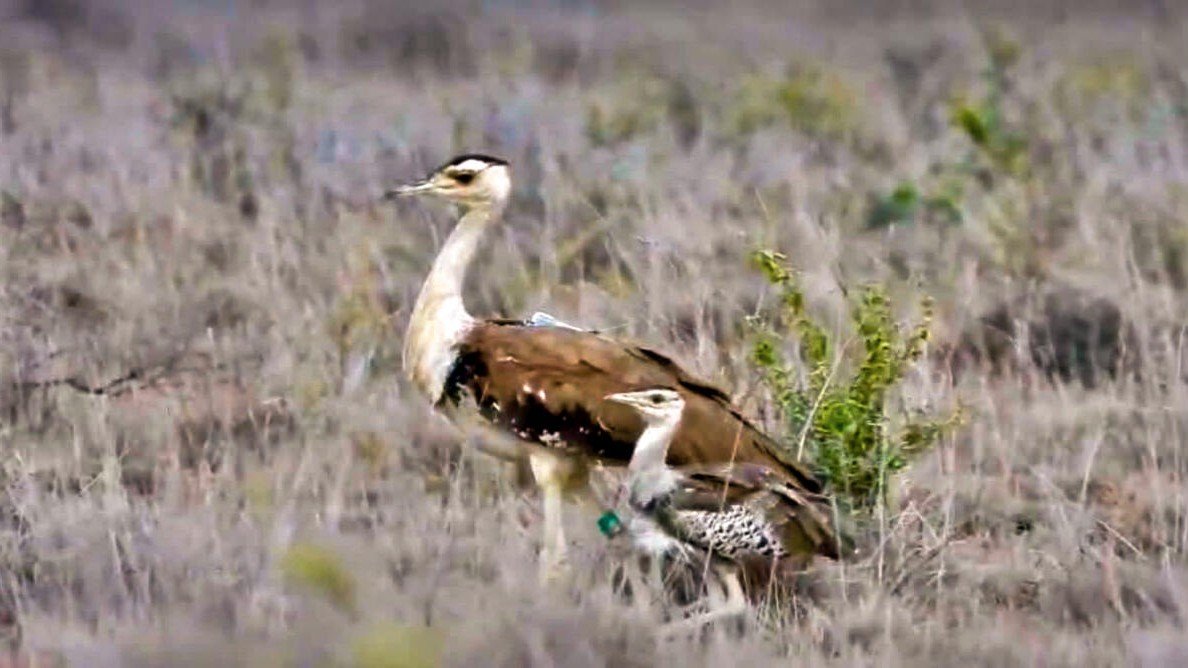
Ahmedabad: A second Great Indian Bustard chick born in Gujarat’s Kutch district through the innovative ‘jumpstart’ conservation programme has successfully crossed the crucial 40-day survival mark, marking a significant milestone in efforts to save one of India’s most endangered bird species.
Union Environment Minister Bhupender Yadav described the achievement as a major breakthrough while reviewing the progress of Project Great Indian Bustard during the 91st meeting of the Standing Committee of the National Board for Wildlife in Coimbatore.
Sharing the update on X, Yadav said the second ‘jumpstart’ attempt carried out in Naliya, Kutch, had been successful. The chick, which hatched on May 21, 2026, has now safely crossed the most vulnerable first 40 days of its life.
The success comes after a setback earlier this year when the first Great Indian Bustard chick raised through the same technique in Gujarat disappeared in April. Forest officials suspect it may have been killed by wild predators.
That first chick had hatched on March 26 in the Naliya grasslands after a fertilised egg was transported nearly 770 km by road from Rajasthan to Gujarat as part of India’s first inter-state ‘jumpstart’ initiative for the species.
The programme was introduced because only three female Great Indian Bustards are believed to remain in Kutch, making natural breeding in the wild extremely unlikely.
Yadav also highlighted the progress of the captive breeding programme in Rajasthan, where conservation centres at Sam and Ramdevra have successfully produced 98 chicks so far.
He said the project is now preparing to enter its next phase—rewilding—with experts from the Wildlife Institute of India and the forest departments of Rajasthan and Gujarat working together to release birds back into their natural habitat.
The ‘jumpstart’ technique involves placing an incubated fertile egg from a captive breeding centre into the nest of a wild female. The wild bird then incubates the egg, hatches it and raises the chick in its natural environment, improving its chances of surviving in the wild.
The Great Indian Bustard, one of the world’s heaviest flying birds, is listed as critically endangered. Today, its remaining population is largely restricted to Rajasthan, with only a handful of birds surviving in the grasslands of Gujarat’s Kutch district.
Recent Stories
- Chandlodiya Railway Bridge Work to Begin; Traffic Diversions Announced
- Jio Expands Its OTT-Pass Family With New Quarterly and Annual Options
- Saputara to Get New ₹21.36-Crore Auditorium
- AMC Seals Manpasand Gymkhana for Violation of Approved Building Use
- Saputara Monsoon Festival 2026 Kicks Off; To Continue Till Aug 29
- IMD Warns of Thunderstorms in Parts of Gujarat Till Aug 10; Forecasts Light to Moderate Rainfall